The Legend of Dendy: A Console That Shaped a Generation
◆
◆
◆
◆
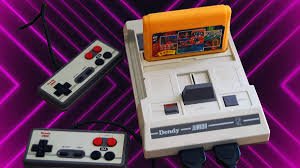
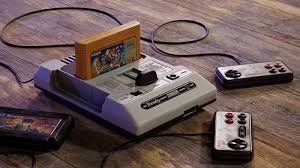
The Dendy console, a clone of the Nintendo Entertainment System (NES), holds a special place in the hearts of gamers, especially in Eastern Europe and Russia. Released in the early 1990s, this unlicensed NES clone became a cultural phenomenon that brought console gaming to millions of households.
Year of Release:
1992
◆
Units Sold:
5M+
◆
Countries:
15+
The Birth of Dendy (1992-1993)
📦 Manufacturing: Steepler Company, Taiwan
In 1992, the Taiwanese company Steepler began manufacturing the Dendy console. The name "Dendy" was chosen to sound friendly and approachable, and it quickly became synonymous with affordable gaming in regions where official Nintendo consoles were either unavailable or too expensive.
"Dendy wasn't just a console—it was a cultural revolution. It brought gaming to families who could never afford an official Nintendo, creating memories that would last a lifetime." - Gaming Historian
The console was essentially a hardware clone of the NES, capable of playing NES cartridges. However, what made Dendy special wasn't just its hardware—it was the community and culture that grew around it. Local distributors created a vibrant ecosystem with game rentals, tournaments, and a passionate fanbase.
1992
Steepler begins manufacturing Dendy in Taiwan. The console is designed as an affordable alternative to the NES for Eastern European markets.
1993
Dendy officially launches in Russia and Eastern Europe. Local distributors create rental systems and gaming communities begin to form.
1994-1995
Peak popularity period. Millions of units sold. Gaming tournaments and communities flourish. Dendy becomes a household name.
1996+
As newer consoles emerge, Dendy's popularity wanes, but its legacy lives on in the memories of millions of gamers.
Dendy's Impact on Gaming Culture
🎮
Cultural Impact: Dendy didn't just bring games to people—it created legends. Stories of all-night gaming sessions, secret cheat codes passed between friends, and the thrill of discovering new games at rental shops became part of the collective memory of a generation.
Games like Super Mario Bros., Contra, Duck Hunt, and Tetris became household names through Dendy.
The Legendary TV Show: "Dendy — New Reality"
📺
"Денди — Новая реальность"
Aired: 1994-1996 | Russia's First Gaming TV Show
One of the most remarkable aspects of Dendy's cultural impact was the television show "Денди — Новая реальность" (Dendy — New Reality), which aired in Russia from 1994 to 1996. This groundbreaking show was one of the first gaming television programs in the region, featuring game reviews, walkthroughs, and gaming culture segments.
"Every Saturday morning, kids across Russia would gather around their TVs to watch 'Dendy — New Reality.' It wasn't just a show about games—it was a window into a world of adventure, competition, and community. The hosts became celebrities, and their game recommendations were gospel." - Russian Gaming Historian
The show featured segments on new game releases, tips and tricks, high score competitions, and interviews with gamers. It created a sense of community among Dendy owners and helped popularize gaming culture across Russia. The show's influence was so significant that it's still remembered fondly by millions of gamers who grew up in the 90s.
- 1994-1996 - The show aired weekly, becoming a cultural phenomenon
- Game Reviews - In-depth reviews of new Dendy games
- Walkthroughs - Step-by-step guides for difficult levels
- Competitions - High score challenges and tournaments
- Community - Letters from viewers and fan interactions
The console's popularity peaked in the mid-1990s, with millions of units sold across Eastern Europe, Russia, and parts of Asia. It wasn't just a gaming console; it was a gateway to a world of adventure, competition, and friendship.
Nintendo NES: The Original That Started It All
🎯
🌍 Worldwide
61.9M
Units Sold
Before Dendy, there was the Nintendo Entertainment System (NES), originally released in Japan in 1983 as the Family Computer (Famicom). The NES revolutionized home gaming after the video game crash of 1983, introducing quality control, third-party licensing, and a library of iconic games that would define a generation.
1983
Famicom Launch (Japan)
1985
NES Launch (USA)
61.9M
Units Sold Worldwide
The NES featured a unique front-loading cartridge system designed to look like a VCR, making it more appealing to families after the video game crash. Its controller design—with the D-pad and A/B button layout—became the standard for all future game controllers. The console's 8-bit graphics and sound capabilities, while primitive by today's standards, were revolutionary at the time.
Nintendo's strict quality control and "Seal of Quality" program ensured that only high-quality games were released for the system. This approach, combined with iconic franchises like Super Mario Bros., The Legend of Zelda, and Metroid, helped Nintendo dominate the home console market throughout the late 1980s and early 1990s.
Legends and Community Stories
Every Dendy owner has a story. Whether it was the legendary "99 lives" code in Contra, the mysterious "minus world" in Super Mario Bros., or the countless hours spent trying to beat the final boss in Battletoads, these experiences created bonds that lasted decades.
Gaming Communities: The Heart of 90s Gaming
◆
◆
◆
◆
The 90s gaming experience wasn't just about the games—it was about the communities that formed around them. Before social media and online forums, gamers connected through shared spaces and experiences.
Where Gamers Connected
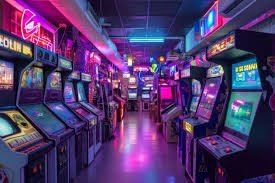
- Arcades - The social hubs where players gathered, competed, and shared strategies. The arcade was where legends were born and friendships formed. Quarters clinking, high score competitions, and the electric atmosphere made arcades magical places. Players would spend hours perfecting their skills, learning from each other, and competing for the top spot on the leaderboard.
- Game Rental Shops - Local video stores became community centers where gamers discovered new titles, shared recommendations, and debated which games were worth buying. The weekend ritual of renting games created anticipation and excitement. Store owners often became gaming experts, offering advice and recommendations based on what games were popular.
- Gaming Magazines - Publications like Nintendo Power, GamePro, and EGM connected gamers across the country, sharing tips, codes, and reviews. These magazines were treasured possessions, read cover to cover multiple times. Readers would carefully cut out cheat code sections, create personal collections, and share magazines with friends. The fold-out posters and strategy guides were particularly prized.
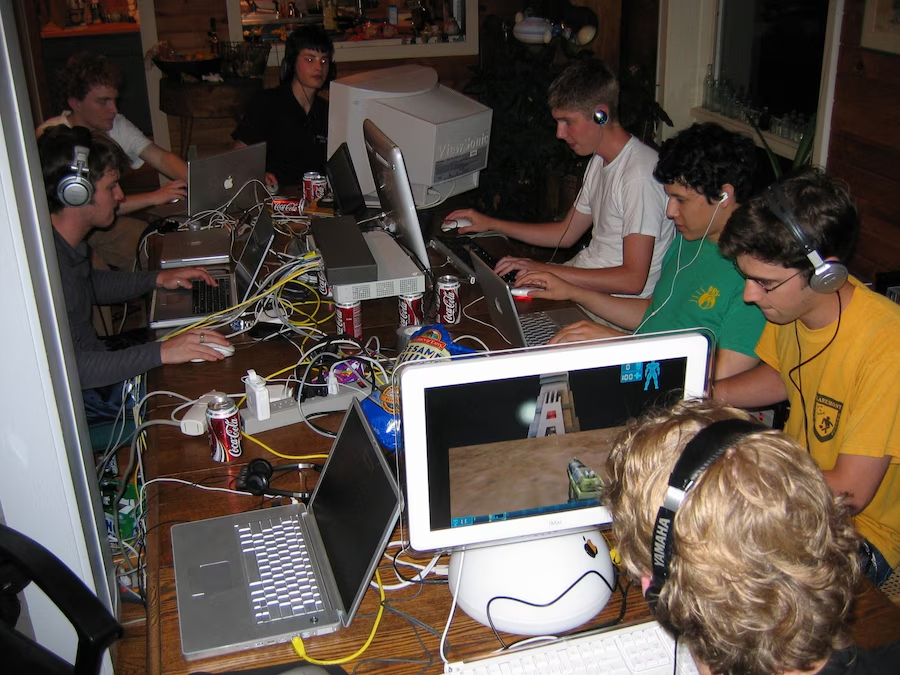
- LAN Parties - As PC gaming grew, friends would gather with their computers for epic multiplayer sessions. These events created memories that lasted a lifetime. Setting up networks, sharing games, and competing until dawn. The technical challenge of getting everyone's computer connected was part of the fun, and successful LAN parties were celebrated achievements.
- School Yards - The playground became a place to trade games, share secrets, and plan weekend gaming sessions. Game cartridges were currency, and knowledge of cheat codes was power. Kids would bring their game collections to school, trading cartridges like baseball cards and sharing the latest gaming discoveries.
- Gaming Clubs - Local gaming clubs and tournaments brought competitive players together. These events created rivalries, friendships, and legends that are still remembered today. Winners would earn respect and sometimes small prizes, but the real reward was the sense of community and belonging.
- TV Shows - Gaming television shows like "Dendy — New Reality" in Russia and similar programs worldwide created a shared experience. Viewers would watch together, discuss episodes, and try to replicate the strategies shown on screen.
- Game Exchanges - Informal game trading networks developed in neighborhoods and schools. Players would lend games to friends, creating a sense of trust and community. A borrowed game was a precious commodity, to be returned in perfect condition.
"The 90s gaming community wasn't online—it was real. You met people face-to-face, shared cartridges, and created memories that lasted forever. That connection is what made gaming special." - 90s Gaming Veteran
These communities weren't just about playing games—they were about sharing experiences, creating memories, and building friendships. The 90s gaming culture was built on these personal connections, and that's what makes it so special to this day.
The Legacy of 90s Gaming Communities
Today's online gaming communities owe everything to the 90s. The conventions, tournaments, and social connections established during that era created the foundation for modern gaming culture. While technology has changed, the core desire to connect, compete, and share experiences remains the same.
Famous Cheat Codes That Became Legends
🔐
The Secret Language of Gamers
Cheat codes were the currency of 90s gaming culture. These secret combinations of buttons and sequences unlocked hidden features, extra lives, and game-breaking abilities that became the stuff of legend.
Konami Code
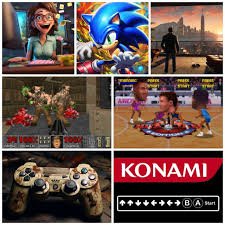
↑ ↑ ↓ ↓ ← → ← → B A START
The most famous cheat code in gaming history. First used in Gradius (1986), it became legendary in Contra, giving players 30 lives instead of 3. This code transcended gaming and became a cultural reference.
💡 Fun Fact: This code appears in over 100 games and even in non-gaming contexts!
Super Mario Bros. Minus World
🌊
World -1
The Glitch That Became Legend
The mysterious "Minus World" (World -1) was discovered by accident when players found a glitch that allowed them to access a secret underwater level. This bug became one of gaming's most famous secrets, passed down through generations of players.
🎯 Discovery: Found accidentally by players trying to skip levels!
Contra 99 Lives
Using the Konami Code in Contra gave players 99 lives, making the notoriously difficult game beatable. This code became essential knowledge for any serious Contra player and was shared like a secret handshake among gamers.
- Secret Codes - Cheat codes shared between friends in schoolyards, written on scraps of paper and traded like currency
- All-Night Sessions - Sleepovers turned into epic gaming marathons, with friends taking turns and sharing strategies
- Rental Culture - Video stores became community hubs where gamers discovered new titles and debated which games were worth buying
- Local Tournaments - Neighborhood competitions organized by passionate gamers, with winners earning bragging rights and sometimes small prizes
- Oral Tradition - Gaming knowledge passed down through word of mouth, creating a rich culture of shared experiences and legends
- Magazine Secrets - Gaming magazines like Nintendo Power became treasured sources of codes, tips, and hidden secrets
Gaming communities formed around Dendy, with players sharing tips, organizing tournaments, and creating their own gaming legends. The console became a symbol of a simpler time when gaming was about pure fun and shared experiences rather than graphics and online rankings.
Interesting Facts About Nintendo and Dendy
Nintendo's Origins
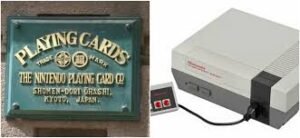
Nintendo was founded in 1889 as a playing card company. It didn't enter the video game industry until the 1970s, starting with arcade games before revolutionizing home gaming with the NES.
Dendy's Name
The name "Dendy" was chosen because it sounded friendly and approachable. Some sources suggest it was inspired by the word "dandy" (meaning excellent or first-rate), while others claim it was simply chosen for its memorable, child-friendly sound.
The NES Zapper
The NES Zapper light gun, used for games like Duck Hunt, worked by detecting the screen's brightness. When you pulled the trigger, the screen would flash white, and the gun would detect if it was pointing at a bright area—a clever technical solution for 1985!
Dendy's Compatibility
Despite being an unlicensed clone, Dendy was fully compatible with NES cartridges. This meant that players could use official Nintendo games on their Dendy consoles, making it a true alternative to the expensive original.
Iconic 90s Games That Defined an Era
The 1990s produced some of the most influential and beloved games in history. These titles didn't just entertain—they shaped the industry, created communities, and left an indelible mark on gaming culture.
1990
Super Mario Bros. 3
The pinnacle of 2D platforming, Super Mario Bros. 3 introduced the world map, power-ups like the Tanooki Suit, and some of the most memorable levels in gaming history. This game became a cultural touchstone and remains one of the best-selling games of all time with over 18 million copies sold worldwide. The game was so popular that it was featured in the 1989 film "The Wizard," where the climax featured the first public reveal of Super Mario Bros. 3. The Tanooki Suit, which allowed Mario to fly and turn into a statue, became one of the most iconic power-ups in gaming history.
1991
Street Fighter II
Revolutionizing the fighting game genre, Street Fighter II created the competitive gaming scene as we know it. Arcades were packed with players trying to master Ryu's Hadouken and Chun-Li's lightning kicks. The game's combo system and character balance set standards that fighting games still follow today. Street Fighter II introduced the concept of special moves, combos, and character-specific strategies. The game's success led to multiple iterations and established Capcom as a major player in the fighting game genre. The iconic "Hadouken!" sound effect became part of gaming culture, shouted by players in arcades worldwide.
1991
Sonic the Hedgehog
Sega's blue blur challenged Nintendo's dominance and introduced "attitude" to gaming. Sonic's speed, catchy music, and colorful levels made it an instant classic and sparked the great console war of the 90s. The game's "blast processing" marketing became legendary.
1991
The Legend of Zelda: A Link to the Past
This masterpiece perfected the action-adventure formula with its dual-world mechanic, intricate dungeons, and epic storytelling. It set the standard for all future Zelda games and remains one of the highest-rated games of all time, with a perfect score from multiple gaming publications.
1993
Doom
The game that popularized the first-person shooter genre. Doom's fast-paced action, modding community, and shareware distribution model changed gaming forever and created a new generation of game developers. It's credited with establishing the FPS genre and online multiplayer gaming.
1995
Chrono Trigger
Considered by many as the greatest RPG of all time, Chrono Trigger featured time travel, multiple endings, and a story that still resonates with players today. It's a perfect example of 90s game design excellence, with a dream team of developers from Square and Enix.
1994
Final Fantasy VI
Often called the greatest Final Fantasy game, FFVI featured an ensemble cast, complex storytelling, and one of the most memorable villains in gaming history. The game's opera scene and emotional narrative set new standards for RPG storytelling.
1998
Metal Gear Solid
Hideo Kojima's masterpiece revolutionized stealth gaming and cinematic storytelling in video games. The game's complex narrative, memorable characters, and innovative gameplay mechanics created a new genre and influenced countless games that followed.
1996
Super Mario 64
The game that defined 3D platforming. Super Mario 64's innovative camera system, open-world exploration, and precise controls set the template for all 3D platformers that followed. It's considered one of the most important games in history.